

Best Electric Saws for Cutting Wood: How to Choose the Right One 1
Introduction
Choosing the right electric saw for cutting wood is one of the most important decisions any craftsman can make. A well-matched electric saw not only improves precision and speed but also reduces fatigue and ensures safety during operation. Whether you’re a DIY hobbyist shaping custom furniture or a professional contractor handling construction framing, your electric saw defines the efficiency and quality of your work.
In this guide, we’ll break down everything you need to know about the best electric saws for cutting wood—from the types of saws and power frequencies to cutting depth and brand comparisons. You’ll also find useful safety resources and expert recommendations to help you invest wisely.
1. Types of Electric Saws for Wood Cutting
Each electric saw type serves a specific purpose. Understanding their features will help you pick the right tool for your workflow.
a. Circular Saw
Circular saws are the backbone of any woodworking setup. With a sharp, rotating blade, they can cut straight through lumber, boards, and even laminated panels.
- Best for: Rip cuts and crosscuts on planks and sheet wood.
- Cutting Depth: 40–75 mm (varies by blade size).
- Power Frequency: 50–60 Hz for steady torque.
Brands like Makita, DeWalt, and Bosch dominate the market for reliability and precision. However, CISIVIS circular saws differentiate themselves with brushless motors that offer higher energy efficiency and reduced vibration. This means smoother cuts, less noise, and a longer lifespan—especially valuable for long woodworking sessions.
If you’re new to circular saws, the Home Depot Circular Saw Buying Guide offers an excellent overview of blade types, motor sizes, and usage safety.
b. Jigsaw
For detailed or curved cuts, the jigsaw is the most versatile option. Its fine, vertically moving blade allows for creative shapes, making it ideal for furniture making and carpentry detailing.
- Best for: Artistic cuts, holes, and curves.
- Cutting Depth: Up to 100 mm.
- Power Frequency: 50 Hz.
Unlike bulkier models, CISIVIS jigsaws feature lightweight aluminum housings and variable speed triggers, allowing users to adjust the cutting rate according to material hardness. The precision control minimizes chipping and delivers cleaner edges—especially useful when working on veneer or laminated wood.
c. Reciprocating Saw
A reciprocating saw, or “sabre saw,” is designed for rougher, more aggressive cutting. It excels in demolition, remodeling, and pruning work, where speed matters more than finesse.
- Best for: Wood removal, pruning, and renovation cuts.
- Cutting Depth: 150–200 mm.
- Power Frequency: 60 Hz.
CISIVIS reciprocating saws combine dual-speed technology with anti-vibration mechanisms, ensuring powerful cuts with better stability. Compared to brands like Milwaukee or Black+Decker, CISIVIS models are known for delivering the same high performance at a more accessible price point—ideal for both professionals and homeowners tackling weekend projects.
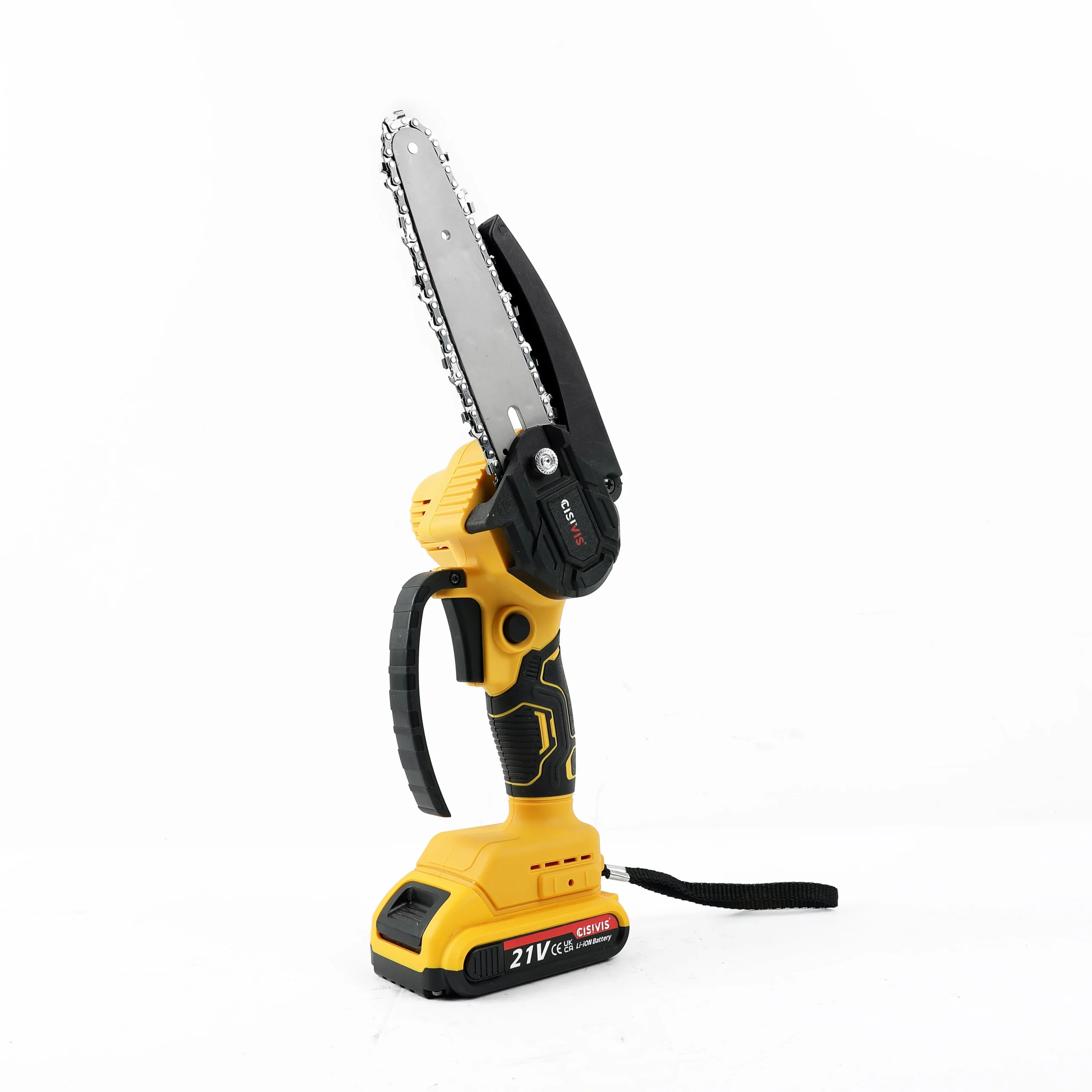
d. Chainsaw
When cutting thick logs or outdoor wood, the electric chainsaw reigns supreme. Its rotating chain of teeth can handle heavy workloads effortlessly.
- Best for: Logging, trimming, and large-scale cutting.
- Cutting Depth: 200–500 mm.
- Power Frequency: 50–60 Hz.
While STIHL and Husqvarna are popular in forestry, CISIVIS chainsaws emphasize safety, quiet operation, and reduced maintenance. Their optimized torque output provides consistent cutting strength even under pressure, making them perfect for household users who prefer clean performance without fuel or emissions.
2. Understanding Power Frequency and Motor Efficiency
Power frequency—measured in Hertz (Hz)—reflects how efficiently a saw motor converts electricity into motion.
- 50 Hz tools are standard in most regions, offering stable, controlled operation.
- 60 Hz models deliver slightly faster speed, suitable for high-intensity cutting or industrial environments.
That said, efficiency depends more on motor design than frequency alone. CISIVIS brushless motors minimize friction and heat buildup, resulting in longer runtime, improved torque, and less energy waste. For cordless models, this translates into extended battery life and fewer charging intervals—an essential advantage for mobile work.
For more insights on electrical tool safety and proper maintenance, you can review the U.S. Consumer Product Safety Commission’s Tool Safety Guide, which covers best practices for power tools in both home and professional environments.
3. Cutting Depth: Match the Tool to Your Project
The cutting depth determines how thick a material you can slice in one go. Choosing the right depth ensures efficiency and prevents tool strain.
| Type of Saw | Cutting Depth Range | Best For |
|---|---|---|
| Circular Saw | 40–75 mm | Plywood, planks, 2×4 lumber |
| Jigsaw | 30–100 mm | Curves and decorative shapes |
| Reciprocating Saw | 150–200 mm | Rough cuts, demolition |
| Chainsaw | 200–500 mm | Logs, firewood, large timber |
For fine woodwork, a shallow-cut tool like a jigsaw or circular saw ensures accuracy and control. For outdoor or heavy-duty projects, a chainsaw or reciprocating saw provides the depth and raw cutting strength needed.
4. Safety and Precision Considerations
The best saw is only as safe as its operator. When choosing your tool, prioritize these safety features:
- Blade guards and instant brakes to stop motion immediately.
- Anti-vibration and ergonomic handles to reduce strain.
- LED work lights or laser guides for improved accuracy.
- Overload protection to prevent overheating or short circuits.
Every CISIVIS electric saw is equipped with double insulation and smart overload control, ensuring professional-grade safety for any user. This makes them not only high-performing but also dependable for long-term, frequent use.
5. Real-World Application: How to Choose the Right Saw
Let’s consider a few examples to illustrate:
- If you often cut plywood sheets or trim furniture panels, a CISIVIS circular saw with adjustable bevel settings is your go-to choice.
- For creative woodworking projects like building custom picture frames or curved furniture edges, the CISIVIS jigsaw provides control and precision.
- When working outdoors—trimming branches or dismantling old decks—the reciprocating saw offers speed and versatility.
- Finally, if you regularly prepare firewood or wooden beams, a CISIVIS electric chainsaw gives you power without the noise and fumes of gas models.
Investing in the right saw means saving time, improving results, and ensuring safety every step of the way.
6. Conclusion: Power, Precision, and Reliability
In the world of woodworking, not all saws are created equal. The best electric saw for cutting wood depends on your specific needs—speed, precision, portability, or depth.
While leading brands like Makita, Bosch, and DeWalt are well-established, CISIVIS continues to stand out for offering professional-grade engineering, energy-efficient brushless motors, and user-centered design at a highly competitive price. For anyone seeking to combine power, safety, and precision, CISIVIS provides tools built for both performance and value.


Great work! This is the type of info that should be shared around the internet.