

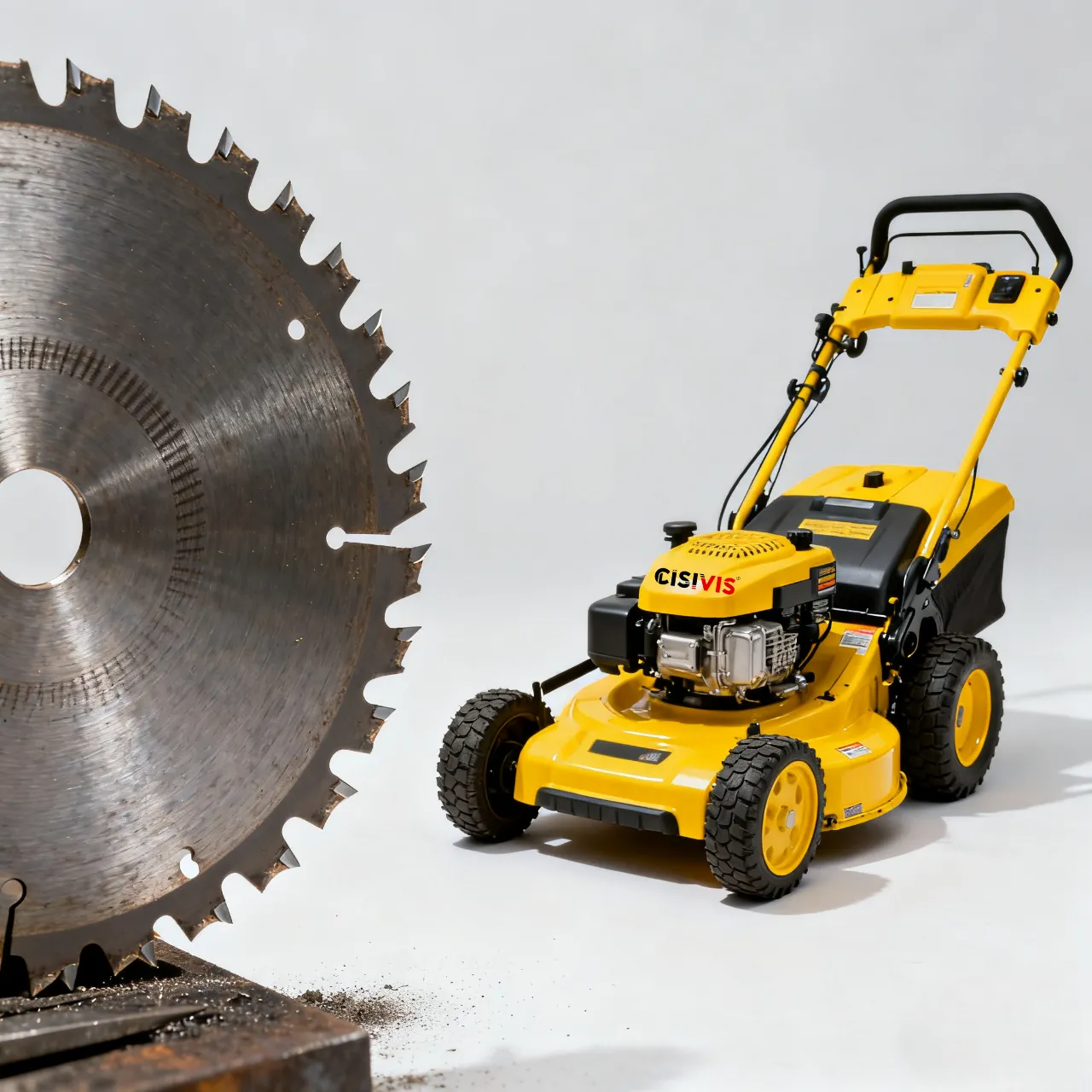
How to Sharpen Lawn Mower Blades: A Step-by-Step Guide for Beginners 1
Keeping your lawn mower blades sharp is one of the simplest ways to make mowing easier, faster, and healthier for your grass. Many homeowners don’t realize how much difference a sharp blade makes until they see the results — clean cuts, greener grass, and a smoother mowing experience.
In this guide, we’ll show you how to sharpen lawn mower blades safely and effectively, even if you’ve never done it before.
When You Should Sharpen Lawn Mower Blades
How to Tell When Blades Need Sharpening
If your lawn appears uneven after mowing or you see torn and brown grass tips, it’s a clear sign your blades need sharpening. A sharp mower blade cuts cleanly like scissors, while a dull one rips and damages the grass — leaving it yellow and weak. Learning how to sharpen lawn mower blades properly helps keep your lawn healthy and evenly trimmed.
You should sharpen your mower blades after every 20–25 hours of use, or at least twice during the mowing season.
Why Blades Become Dull Quickly
Mower blades can dull quickly due to:
- Hitting rocks or tree roots
- Running over sticks, sand, or gravel
- Cutting thick or wet grass
- Lack of regular cleaning and maintenance
Even the best blades lose sharpness over time — friction and debris wear down the edges little by little.
Sharp vs. Dull Blades: Which Is Better?
A sharp blade cuts cleanly, saving fuel and reducing strain on your mower’s motor.
A dull blade rips the grass, making your lawn more prone to disease and uneven growth. Always remember: a sharp blade equals a healthy lawn.
How Much Does It Cost to Sharpen Lawn Mower Blades?
If you take your blade to a repair shop, sharpening usually costs $10–20 per blade.
But if you do it yourself at home, it’s nearly free — you just need a file, a vise, and a bit of time.
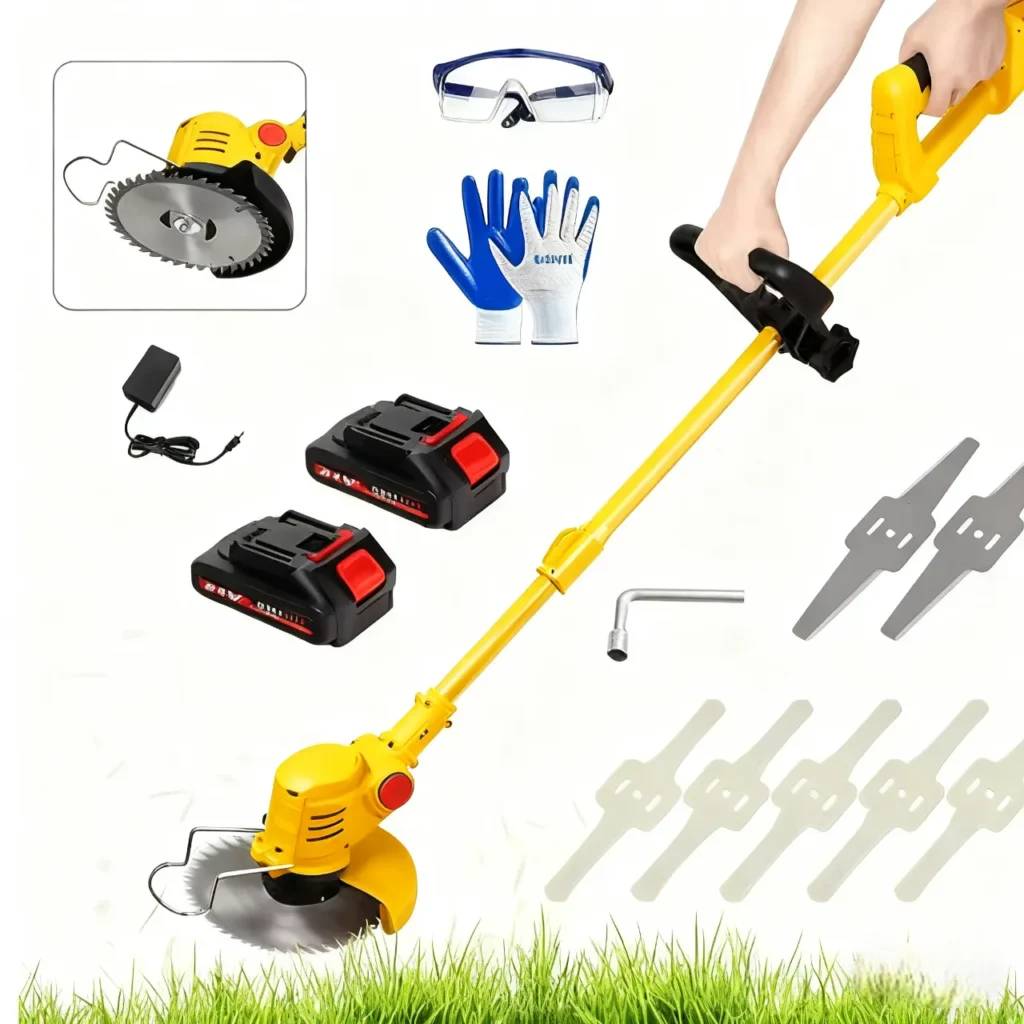
What to Prepare Before Sharpening
Safety First
Before you start, disconnect the spark plug wire or remove the battery if you’re using a cordless lawn mower. This prevents the mower from starting accidentally.
Tools You’ll Need
- A wrench or socket set (to remove the blade)
- A metal file or grinder
- A vise or clamp to hold the blade
- Work gloves and safety goggles
- A balancing tool (optional but recommended)
Step-by-Step: How to Sharpen Lawn Mower Blades
Let’s walk through it clearly — even if you’ve never done this before.
- Remove the Blade
Tilt your mower onto its side (air filter facing up). Use a wrench to loosen the bolt holding the blade. Mark the bottom side with chalk or a marker so you remember how to reinstall it later. - Clean the Blade
Use a wire brush or scraper to remove grass, dirt, and rust. A clean surface helps you sharpen evenly. - Secure the Blade in a Vise
Clamp the blade tightly with one cutting edge facing upward. This keeps your hands safe and your sharpening angle steady. - Sharpen the Blade
Use a metal file or grinder and follow the existing angle of the blade edge — typically 30° to 45°. Move the file in one direction, from the inside edge outward.
✅ Best angle to sharpen lawn mower blades: around 35°.
Avoid sawing back and forth — steady, even strokes are best. - Should You Sharpen Both Sides?
Yes — sharpen both cutting edges of the blade so it stays balanced and cuts evenly. - Wet vs. Dry Sharpening
Dry sharpening with a file is fine for most people. Wet grinding helps reduce heat and keeps metal stronger, but it’s not necessary unless you’re using a power grinder. - Check the Sharpness
The edge should feel smooth and slightly sharp — not like a razor. Over-sharpening can cause chipping.
How to Sharpen Lawn Mower Blades at Home Without Special Tools
Don’t have a grinder or vise? No problem.
You can use a sturdy bench, a clamp, and a flat metal file. Secure the blade with your foot or knee (wear gloves!), and use the file to stroke along the blade at a 35° angle. It might take longer, but it works just as well.
Extra Tips: Balancing and Installation
Can You Sharpen Blades Without Removing Them?
Yes, you can learn how to sharpen lawn mower blades without taking them off the mower, but it’s not the best method.
You can use a rotary tool or sharpening stone to carefully grind each edge while the blade remains attached. However, this approach doesn’t let you clean, balance, or fully inspect the blade, so it should only be used as a short-term solution.
How to Tell If You Installed the Blade Backwards
If your mower doesn’t cut well after sharpening, the blade might be upside down.
The cutting edge should face the direction of rotation (usually downward when mounted). The dull, curved side faces the deck.
Symptoms of an Unbalanced Blade
An unbalanced mower blade can cause:
- Excessive vibration
- Uneven cutting
- Noise and engine strain
- Premature bearing wear
How to Balance Mower Blades
Hang the blade on a nail through its center hole. If one side drops, file off a little more from the heavier side until it hangs evenly.
Balanced blades spin smoothly, protecting your mower’s motor.
Final Thoughts
Sharpening your lawn mower blades is an easy task once you know the right steps.
By learning how to sharpen lawn mower blades properly, you’ll achieve cleaner cuts, use less fuel, and help your mower last longer — all with just a few basic tools and a little patience. Regular blade maintenance every few months will keep your lawn looking healthy and neat throughout the year.
At CISIVIS, we provide high-quality cordless power tools, including lawn mowers, grinders, and sharpening accessories.
Our products are durable, efficient, and customizable — we support OEM and ODM services, with optional features like digital power displays and adjustable battery capacity.
If you’re looking for reliable electric and cordless garden tools for wholesale, visit us .


Thanks for your writing.