

What Material Is Drilled with a Hammer Drill — A Simple Guide for DIYers and Pros Leave a comment
What material is drilled with a hammer drill? This is a question many DIYers and beginners ask when they first explore power tools. A hammer drill looks similar to a regular drill, but its rapid pounding action makes it ideal for tougher jobs. Knowing what material is drilled with a hammer drill helps you choose the right tool for tasks involving concrete, brick, stone, or even light woodwork. In this guide, we’ll explain how it works, what materials it handles best, and when you should switch to a different drill.
Introduction — What is a hammer drill and where the market is headed
A hammer drill (also called a percussion drill or impact drill) is a handheld power tool that combines normal rotary drilling with a rapid “hammering” action. The hammering motion delivers short, fast blows along the drill bit’s axis while the bit spins. That pounding helps break up hard materials so the bit can cut through faster than a regular drill alone. If the hammer action is switched off, the tool works like a normal drill for wood, metal, or screws.
Demand for hammer drills and related masonry drilling tools is rising as construction and home-improvement activity continues worldwide. Market research groups estimate a growing power-tools market and project steady growth for rotary/hammer drill segments. For example, the rotary hammer drill market was valued at about USD 1.56 billion in 2024 and is forecast to grow further in the coming years; the broader power tools market is larger still (tens of billions USD). These trends are driven by infrastructure projects, urban construction, and strong DIY interest.
Hammer drill vs. ordinary drill (and vs. rotary hammer) — differences, uses, power and pros/cons
How a regular drill works: a standard drill rotates a bit and is best for wood, plastics, metal, and driving screws when torque and steady rotation are needed.
How a hammer drill works: in addition to rotation, a hammer drill produces small forward impacts by two ribbed plates or cam mechanism. This helps chip away at masonry while the bit turns. Because of this, hammer drills are commonly used for small holes in concrete, brick, and mortar.
How a rotary hammer differs: a rotary hammer (sometimes called SDS hammer or SDS-plus) uses a piston mechanism to create stronger blows and higher impact energy. Rotary hammers are more powerful and designed for big, frequent holes in reinforced concrete and heavy construction work. Hammer drills are lighter and cheaper; rotary hammers are heavier, costlier, and better for professional heavy-duty jobs.
Power & function comparison (simple):
- Normal drill: best for wood, metal, screws. Low impact, high control.
- Hammer drill: good for light masonry (brick, cinder block, soft concrete), occasional concrete tasks. Moderate power; often convertible to regular drill mode.
- Rotary hammer: for heavy, repeated drilling into hard or reinforced concrete. Higher impact, designed for chiseling and big-bore holes.
Advantages and disadvantages:
- Hammer drill pros: affordable, versatile (switch hammer off), portable, suitable for small masonry jobs and home projects.
- Hammer drill cons: limited power vs. rotary hammers; can be slow on very hard concrete or reinforced concrete; higher vibration and dust when used on masonry.
- Rotary hammer pros: fast, efficient for large holes and tough concrete, less bit wear on hard materials.
- Rotary hammer cons: heavier, more expensive, often overkill for small household jobs.
What material is drilled with a hammer drill — materials, tips, and limits
This is the heart of the question: what material is drilled with a hammer drill? Below is a breakdown of common materials and important tips.
1. Concrete (light to medium density)
Hammer drills can drill small to medium holes in concrete, especially non-reinforced or lighter concrete. For large holes or reinforced concrete, a rotary hammer is often the better choice. Use masonry bits (carbide tipped) and steady, moderate pressure; don’t force the bit — let the tool do the work. For drilled holes that anchor heavy loads, use the right anchors and consider a rotary hammer for larger diameters.
2. Brick and block (masonry)
Brick, cinder block, and mortar are classic hammer-drill jobs. Hammer drills work well for pilot holes for anchors, hanging fixtures, and light-duty installations. Pay attention to the brick type: soft brick drills easily; very hard engineering brick may need a rotary hammer or slower feed. When drilling into brick, keep the bit away from edges to avoid cracking.
3. Natural stone
Soft to medium stone (limestone, some sandstones) can be drilled with a hammer drill and the right bit. Very hard stones (granite) are difficult and may require specialist tools and diamond bits. Always check the stone hardness and start with a small pilot hole.
4. Tile and ceramic
Hammer action can crack tile. If you must drill tile with a hammer drill, turn hammer mode off and use a tile/ceramic bit or diamond tip at low speed. Start with masking tape to reduce slipping and use gentle pressure. For porcelain and thin tile, avoid hammering entirely.
5. Wood
Hammer drills can be used as normal drills for wood only when hammer action is switched off. Hammering will splinter and damage wood. Use wood bits and correct speeds.
6. Metal
For metal, use a regular drill with metal bits (HSS or cobalt). Hammer mode should be off — the percussive action is not useful and damages bits and material. For thin sheet metal, use low speed and cutting fluid.
What types of brick and masonry should you use a hammer drill on?
- Suitable: standard clay bricks, cinder blocks, hollow block, common concrete (light/normal).
- Be cautious with: engineering bricks and very dense concrete blocks; for these, consider a rotary hammer or specialized masonry bits.
When a hammer drill should not be used
- Reinforced concrete for large holes (use rotary hammer).
- Thin or fragile tile and porcelain (turn hammer off or use other tools).
- Wood and metal in hammer mode.
- Any precision or finishing drilling where hammering could chip or crack the material.
Extra uses beyond drilling holes
Besides drilling holes in masonry and anchors, hammer drills can:
- Drive masonry screws or fasteners (with correct bits).
- Be used (in drill-only mode) for mixing small batches of paint or thinset (with a mixing paddle).
- In some modes and with accessories, perform light chiseling or plug removal (but rotary hammers are better for chiseling).
Common hammer-drill problems, fixes, and maintenance
Common faults and how to fix them (easy steps)
- Drill won’t start / no power
- Check battery (for cordless) or power cord and outlet. Replace or charge battery; test outlet. If still dead, motor brushes or switch may be worn—seek service.
- Poor drilling performance or low impact
- Check that hammer mode is engaged. Ensure you use the correct masonry bit (carbide tipped). Bits get dull — replace them. If performance is low on concrete, consider a rotary hammer.
- Bit slips in chuck
- Tighten chuck properly or check for worn jaws. Replace chuck if worn.
- Overheating motor or burning smell
- Stop immediately. Let cool. Overheating can mean long continuous runs or blocked ventilation. Clean vents, reduce duty cycle, and allow cooling. If the motor has internal failure, get professional repair.
- Excessive vibration or noise
- Check bit condition and correct bit size. Worn bearings or internal damage require servicing.
Maintenance tips to extend tool life
- Keep vents clean: dust and masonry dust clog cooling vents — blow out with compressed air regularly (unplug/disconnect battery first).
- Use correct bits and change when dull: dull bits increase motor strain.
- Don’t overwork the tool: give it rest periods in heavy jobs.
- Replace brushes when worn: brushed motors eventually need brush replacement.
- Store dry and clean: moisture corrodes components.
- Use dust extraction or wear a mask: protects both user health and tool internals.
Professional literature on worker exposure and tool ergonomics also notes that heavy use of drilling tools produces vibration, dust, and noise — use PPE (masks, eye protection, hearing protection) and dust control measures.
Summary
A hammer drill is the ideal handheld tool for light to medium masonry work such as drilling into bricks, blocks, and standard concrete, and it can also function as a regular drill when the hammer mode is turned off. Understanding what material is drilled with a hammer drill helps you choose the right tool for each job. For tougher materials like reinforced or very hard concrete, or for large, repeated holes and chiseling, a rotary hammer is the smarter option. Always use the correct drill bit, stay aware of what material is drilled with a hammer drill, protect yourself from dust and vibration, and perform regular maintenance to keep your tool in top shape.
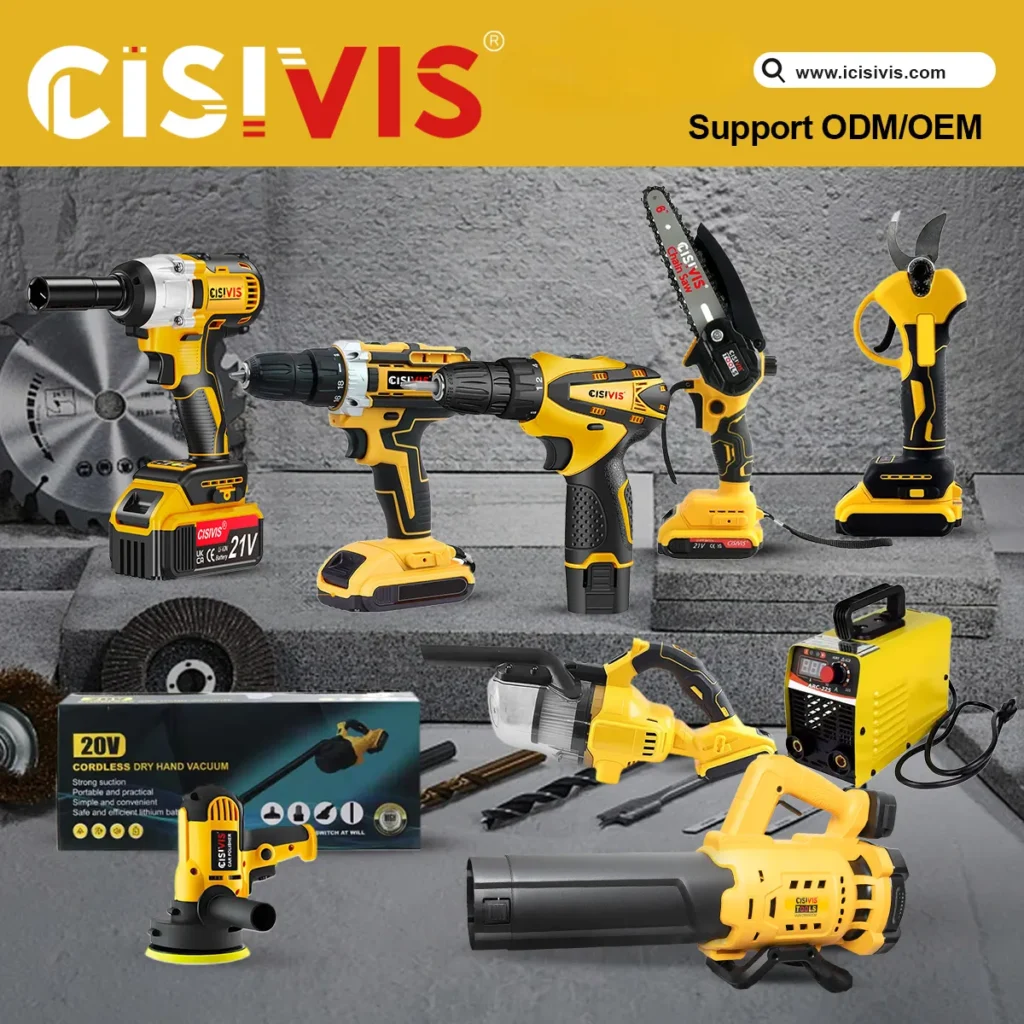
CISIVIS product note (OEM/ODM support): If you need dependable hammer drills for wholesale or private label, CISIVIS offers a range of power drills suitable for DIY and light professional work. We support OEM and ODM customization — optional features include digital battery level displays, brushed-motor overheat protection, and higher-end models with copper motors. We can tailor features by budget (add or omit options like copper motors, battery indicators, or advanced protection). Contact us if you need custom branding or specific specs for your market.